UK By-Elections Spotlight: Major Parties and Reform Go Full Throttle as Restore Britain Only Standing One Candidate
- Staff Correspondent
- 16 hours ago
- 3 min read

On Thursday, 18 June 2026, voters in parts of the UK head to the polls for a significant set of by-elections: 18 council seats and 3 Westminster parliamentary constituencies. This round offers a fresh snapshot of the post-2024 political landscape, where Labour grapples with governing challenges, the Conservatives seek recovery, the Liberal Democrats maintain their niche, and right-wing forces like Reform UK and the newer Restore Britain vie for attention.
The volume stands out. With 21 seats total up for grabs, the main parties have mounted full-scale efforts:
Reform UK: 21 candidates
Conservatives: 21 candidates
Labour: 21 candidates
Liberal Democrats: 21 candidates
Restore Britain: Just 1 candidate
This contrast highlights Reform UK's rapid maturation as a nationwide contender, matching the establishment parties' commitment. In contrast, Restore Britain's limited slate has drawn criticism from some on the right, who see it as selective or unserious.
Spotlight on the Parliamentary By-Elections:
The three Westminster contests carry national weight, particularly Makerfield in Greater Manchester. Labour's former MP Josh Simons stepped down to clear the path for Andy Burnham, the high-profile Mayor of Greater Manchester often dubbed the "King of the North" and a potential future leadership challenger to Sir Keir Starmer.
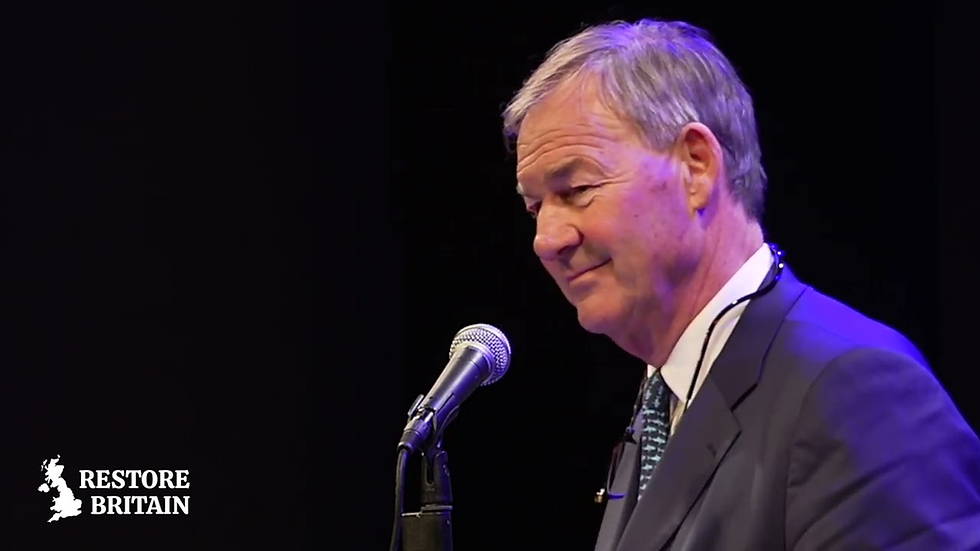
Recent polls show a tight race between Burnham (Labour) and Reform UK's candidate, with Restore Britain's Rebecca Shepherd polling in the 5-13% range in her party's first parliamentary outing. Rupert Lowe, the former Reform MP who leads Restore Britain and holds the Great Yarmouth seat, has campaigned energetically there.
Reform has warned that votes for Restore could split the right-wing vote and hand the seat to Burnham/Labour. Restore, positioning itself as harder-line on issues like immigration, borders, and "common sense" policies, dismisses such concerns and frames itself as a bolder alternative.
The other two parliamentary by-elections add to the mix, though details on specific seats remain focused on local issues alongside the national mood.
Council By-Elections: Local Tests with National Echoes:
The 18 council by-elections span various English local authorities. These often hinge on pocketbook issues—housing, bins, local taxes—but also reflect broader discontent with national politics. Reform UK's decision to contest every seat signals ambition to build on its recent local election gains, while the major parties treat them as barometers ahead of future general election cycles.
The Right-Wing Dynamic: Reform vs. RestoreThis by-election cycle underscores the fragmentation on the British right. Reform UK, under Nigel Farage, has established itself as the primary vehicle for voters disillusioned with the status quo, achieving strong showings in prior locals and by-elections. Restore Britain, launched by Rupert Lowe relatively recently, has grown quickly—claiming tens of thousands of members and some councillor defections—but its selective approach (focusing resources, e.g., on Makerfield) has sparked debate.
Critics in replies to coverage of the candidate numbers call Restore a "vengeance party" or protest vehicle rather than a serious nationwide force. Supporters argue it's strategically prioritizing winnable or high-impact opportunities while building capacity. Lowe has signaled plans for broader contests in the future, potentially by 2029.
What to Watch:
Turnout and swings: Low-turnout by-elections can amplify motivated voters, especially on the right.
Labour's vulnerability: A poor showing for Burnham in Makerfield could weaken Starmer's position.
Right-wing vote split: Whether Restore's presence meaningfully dents Reform or merely tests the waters.
Broader momentum: Results could preview dynamics for any early general election speculation.
These by-elections arrive at a fluid time in UK politics. With Reform demonstrating breadth and Restore testing depth on the right, Thursday's results will fuel plenty of analysis about where British voters are heading next. Polls close in the evening—expect reactions to roll in swiftly.

Comments