The Downfall of Keir Starmer: From Landslide Hero to Leadership Crisis
- Staff Correspondent

- 2 days ago
- 4 min read
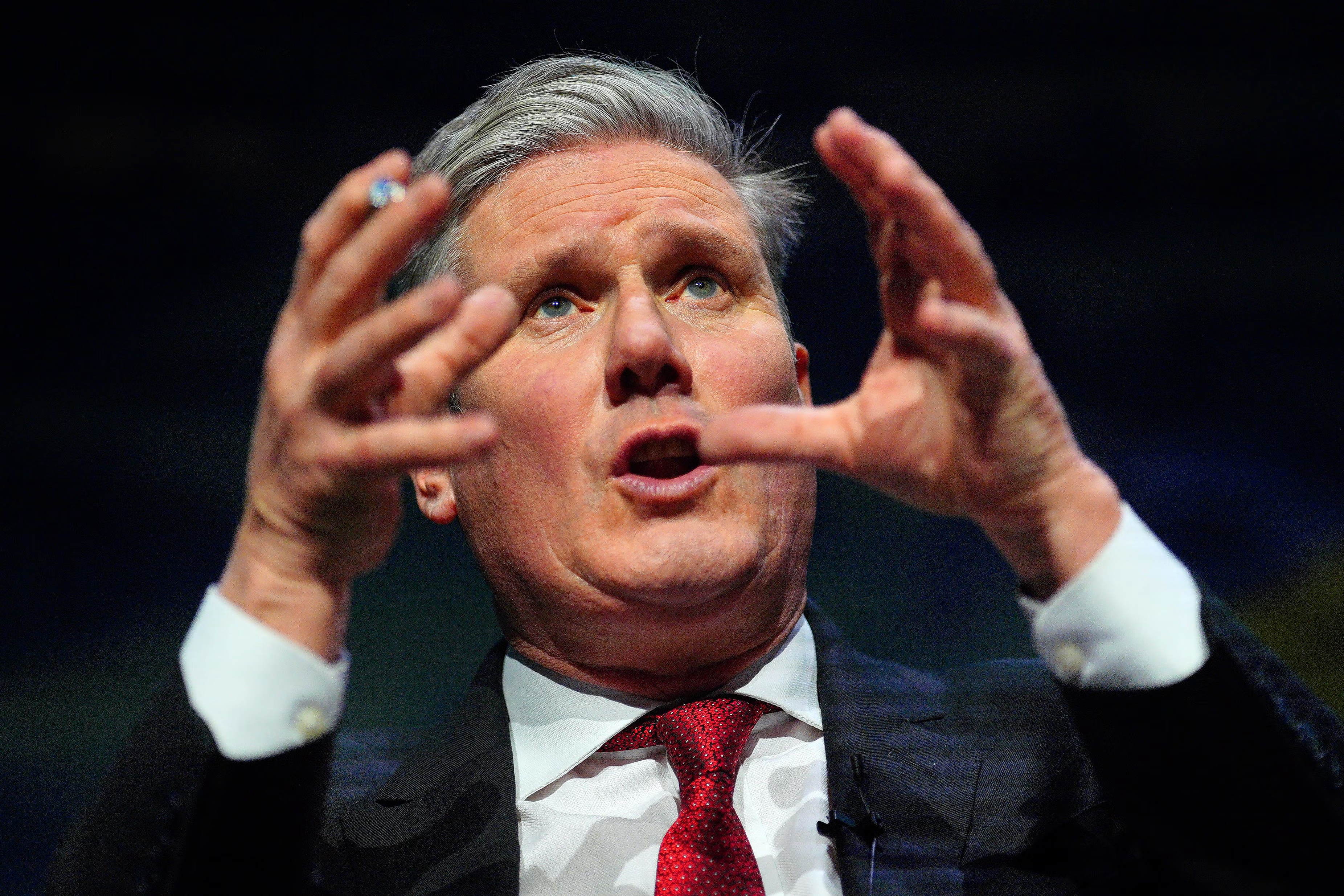
In July 2024, Sir Keir Starmer stood on the steps of 10 Downing Street as Britain’s new Prime Minister, fresh from a historic landslide victory that ended 14 years of Conservative rule and delivered Labour its largest majority in a generation. Less than two years later, on 11 May 2026, the same man delivered what many called a “make-or-break” speech in a nondescript London community centre—shirt-sleeved, brow furrowed, voice strained—while more than 60 of his own Labour MPs publicly demanded he set a timetable to quit.
The fall has been swift, brutal, and, to some, inevitable.
The Unravelling
The immediate trigger was last week’s local elections. Labour suffered its worst drubbing in living memory: more than 1,460 council seats lost in England alone, control of dozens of councils handed to Reform UK and the Greens, and humiliation in Wales where Labour lost the Senedd for the first time since devolution. Reform UK, led by Nigel Farage, surged on a wave of voter anger over immigration, taxes, and living standards. The results were widely interpreted as a referendum on Starmer’s premiership—and the verdict was devastating.
Yet the local elections were merely the detonator. The fuse had been burning for months.
Starmer’s government inherited an economy still reeling from the cost-of-living crisis. His decision to cut the winter fuel allowance for millions of pensioners was seen as tone-deaf at best, callous at worst. Promises to “fix the foundations” delivered glacial progress: NHS waiting lists fell modestly, but voters felt little improvement in their daily lives. Brexit remained unresolved in any meaningful way that satisfied either Leavers or Remainers. And the government’s reluctance to pursue bolder measures—taxing wealth, scrapping the two-child benefit cap, bringing water into public ownership, or imposing rent controls—left the party’s left flank furious and its working-class base alienated.
Then came the Mandelson scandal. Starmer’s appointment of Peter Mandelson as US Ambassador collapsed in spectacular fashion when Mandelson’s past links to Jeffrey Epstein surfaced, raising questions about vetting failures at the highest levels. The episode compounded a growing sense that the government was out of touch and ethically sloppy.
Starmer’s approval ratings plunged to levels not seen since Liz Truss’s catastrophic 49-day premiership. By early 2026, even loyalists privately admitted the “change” voters had demanded in 2024 had not materialised.
The Rebellion
The local election bloodbath turned private grumbling into open revolt. Catherine West, a previously loyal backbencher, first threatened a direct leadership challenge before pivoting to a more surgical demand: that Starmer set a timetable for a new leader to be elected by September. By late afternoon on 11 May, more than 60 Labour MPs—roughly 15 per cent of the parliamentary party—had signed up to the call, including three junior frontbenchers and former allies such as Josh Simons, who declared Starmer had “lost the country.”
Ministerial aides began resigning. Soft-left MPs, supporters of Health Secretary Wes Streeting, and even some close to Deputy Prime Minister Angela Rayner signalled that the time had come. Greater Manchester Mayor Andy Burnham—popular, effective, and still outside Parliament—emerged as the most frequently named successor, though he would first need a by-election and 80-plus MP nominations to stand.
Starmer’s response was defiant. In his 11 May speech he admitted “unnecessary mistakes” and “tough” results, but insisted his government was a “ten-year project” and that walking away would “plunge the country into chaos” as the Tories had done. He promised new legislation on British Steel, closer EU ties, and a youth guarantee of jobs or training. He framed the choice as stability versus Farage-style populism.
The speech landed like a lead balloon. One backbencher summed up the mood: “Incremental change won’t cut it—but we’ve been in power almost two years. If he really understood the scale of response needed, he’d have talked about it before now.”
How We Got Here
Starmer’s downfall was written into his victory. In 2024 he ran as the safe pair of hands—centrist, competent, boringly reliable. He deliberately distanced Labour from its left wing, purged the Corbynite faction, and positioned the party as the natural party of government after Tory chaos. The strategy delivered the biggest majority in decades but left the party hollowed out ideologically. When governing proved harder than campaigning, the absence of a clear, galvanising vision became glaring.
Voters who had lent Labour their support in 2024—many from traditional Conservative or non-voting backgrounds—felt buyer’s remorse. Reform UK and the Greens offered simple, emotional answers. Labour offered spreadsheets and incrementalism.
The Endgame
As of 11 May 2026, Starmer is still Prime Minister, clinging on amid what one headline called “Labour deadlock.” No formal leadership contest has been triggered. The National Executive Committee has not yet moved against him. Cabinet ministers have largely stayed silent or offered tepid support. But the numbers are damning, and the clock is ticking.
Labour rules require 81 MP nominations for a challenger to force a contest. With 60-plus already on record and more wavering, the threshold is within reach. If Starmer refuses an orderly exit, the party faces the very chaos he warns against—another summer of infighting, by-elections, and a possible general election catastrophe.
The irony is cruel. The man who promised stability above all else now presides over the most unstable Labour government in modern history. The centrist hero of 2024 has become the lightning rod of 2026.
Whether Starmer survives the week, the month, or the summer is now secondary. His political authority is gone. The downfall is not a future event; it is happening in real time, played out in frantic WhatsApp groups, tearful backbench meetings, and a prime ministerial speech that convinced almost no one.
Britain’s experiment with “Starmerism” is over. The only question left is how messy the ending will be—and who, if anyone, can pick up the pieces.


Comments