First Poll in Makerfield By-Election Shows Labour’s Andy Burnham in a Knife-Edge Battle with Reform UK
- Staff Correspondent
- 7 days ago
- 3 min read

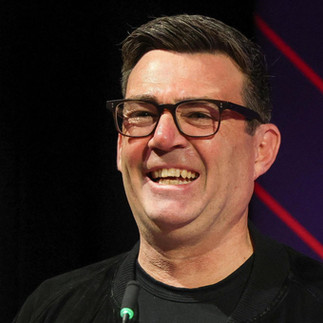
A dramatic new opinion poll has revealed just how fiercely contested the upcoming Makerfield by-election will be. Released on 23 May 2026, the first constituency poll of the campaign puts Labour candidate Andy Burnham at 43% and Reform UK’s Robert Kenyon at 40% — a razor-thin lead that falls well within the margin of error.
The Survation poll, conducted for The Times & Sunday Times between 18–22 May with a sample of 369 respondents, shows the following voting intentions:
• Andy Burnham (Labour): 43%
• Robert Kenyon (Reform UK): 40%
• Rebecca Shepherd (Restore Britain): 7%
• Jake Austin (Liberal Democrats): 4%
• Chris Kennedy (Green): 3% (note: Kennedy later withdrew from the race)
• Michael Winstanley (Conservative): 2%
• Other: 1%
With a margin of error of ±5.1 percentage points, the data indicates a genuine toss-up just weeks before polling day on Thursday 18 June 2026.
Why Makerfield Matters
The by-election was triggered on 14 May when sitting Labour MP Josh Simons resigned his seat. The move was widely understood to be engineered specifically to create a parliamentary vacancy for Andy Burnham, the popular three-time Mayor of Greater Manchester and former Leigh MP.
Labour’s National Executive Committee fast-tracked Burnham’s selection, and he was confirmed as the party’s candidate on 19 May.
Burnham’s return to Westminster is more than personal ambition. Under Labour Party rules, only sitting MPs can stand for the leadership. With Keir Starmer’s government facing internal turmoil, a seat in the Commons would position Burnham — long viewed as a potential successor — to launch a formal challenge if the opportunity arises.
Reform UK, meanwhile, has selected local plumber and army veteran Robert Kenyon, who finished a strong second in Makerfield at the 2024 general election. The seat, in the Wigan area of Greater Manchester, has traditionally been a safe Labour stronghold, but Reform’s rapid rise in the North West has turned it into one of the most closely watched contests in recent British political history.
High Stakes and National Implications
Political analysts describe the by-election as potentially “one of the most consequential votes in recent British political history.” A Labour hold would bolster Starmer’s authority at a difficult time. A Reform gain, however, would represent a seismic shock — the first parliamentary by-election victory for Nigel Farage’s party and a powerful signal of voter discontent in traditional Labour heartlands.
Betting markets reflect the tension. As of 24 May, Labour is favourite to win the seat but at far shorter odds than would normally be expected in a safe seat, while Reform’s chances have been rising steadily.
The campaign is already heating up. Burnham has launched his bid with a focus on local issues and his record as Mayor, while Reform is hammering home themes of immigration, cost of living, and dissatisfaction with the Westminster establishment. Senior Labour figures, including the Prime Minister, are expected to campaign heavily in the constituency in the coming weeks.
What Happens Next
Nominations close on 26 May, so the full list of candidates is not yet final. The withdrawal of the Green candidate Chris Kennedy has slightly simplified the field, but minor parties and independents could still influence the outcome in what is shaping up to be a low-turnout contest.
With four weeks until polling day, this first poll sets the tone: Makerfield is no longer a foregone conclusion. It is a genuine battleground where national political futures could be decided in a single Greater Manchester constituency.
The result on 18 June may not just determine who represents Makerfield — it could reshape the direction of British politics for years to come.

Comments